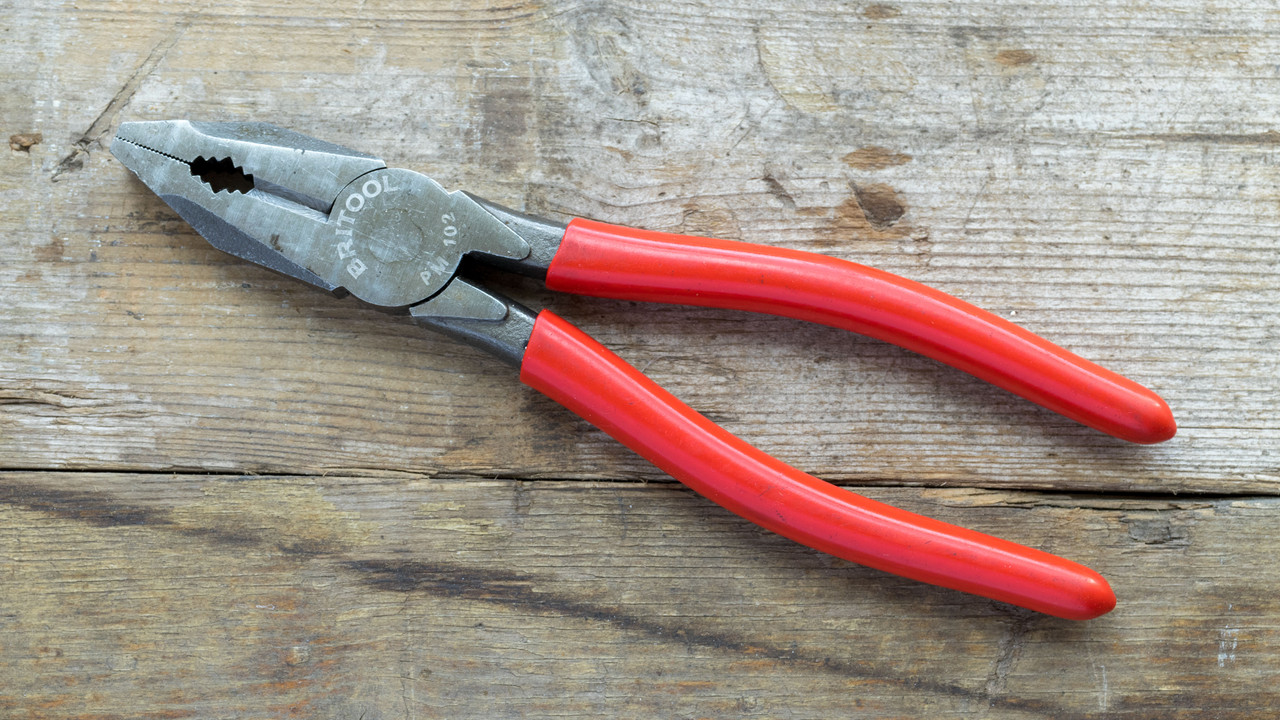
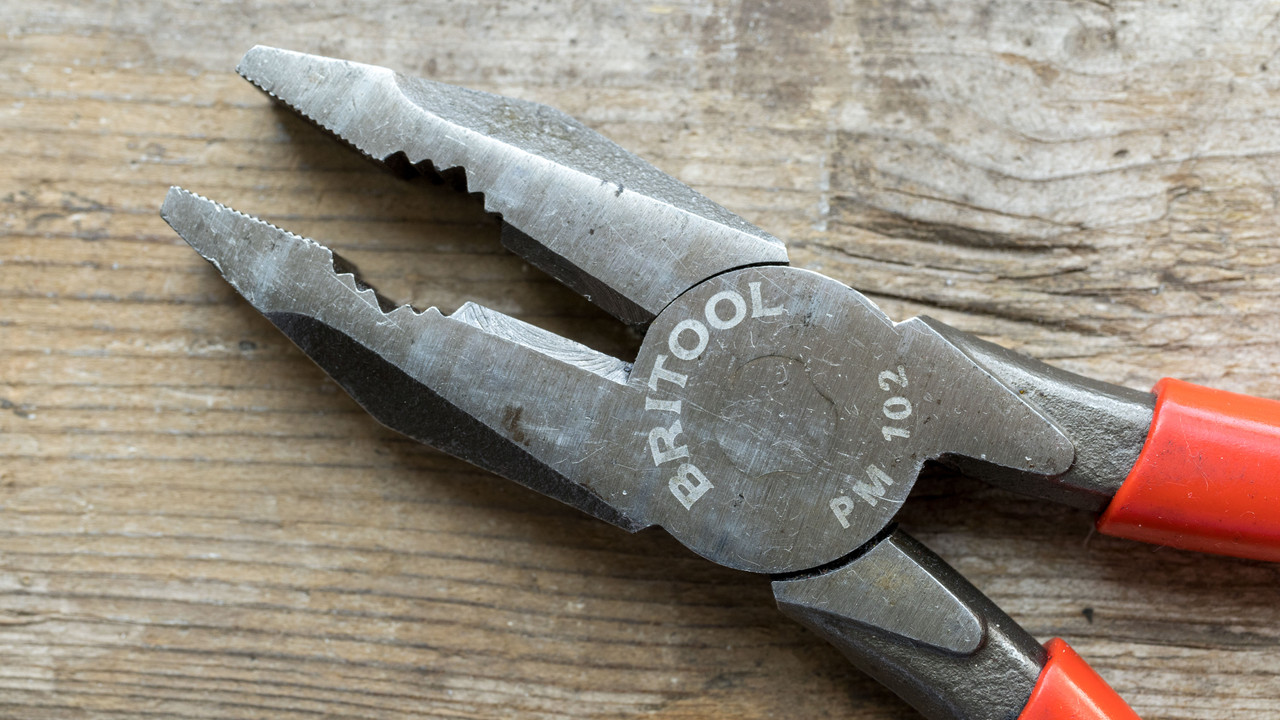
Mr.Lemons’s test is interesting, because it’s human nature to be curious.
But when would you heave on a 10 mm fastener in that manner? And with the open end of the spanner?
My other concern is that the same damaged Allen key was used repeatedly. How do we know each tool was applied at the same spot and that that spot wasn’t yet damaged? The object is to grip an undamaged fastener, not one in an arbitrary state of wear.
All the same, as I said, interesting.
It’s also hard to be sure the jaws are measuring the narrowest (i.e. true) section of the Allen key when using the bladed tips.
But when would you heave on a 10 mm fastener in that manner? And with the open end of the spanner?
My other concern is that the same damaged Allen key was used repeatedly. How do we know each tool was applied at the same spot and that that spot wasn’t yet damaged? The object is to grip an undamaged fastener, not one in an arbitrary state of wear.
All the same, as I said, interesting.
Better to measure with the fat midsections of the jaws. The calliper and Allen key have elasticity and deform under the lightest thumb pressure when the bladed tips of the jaws are used.
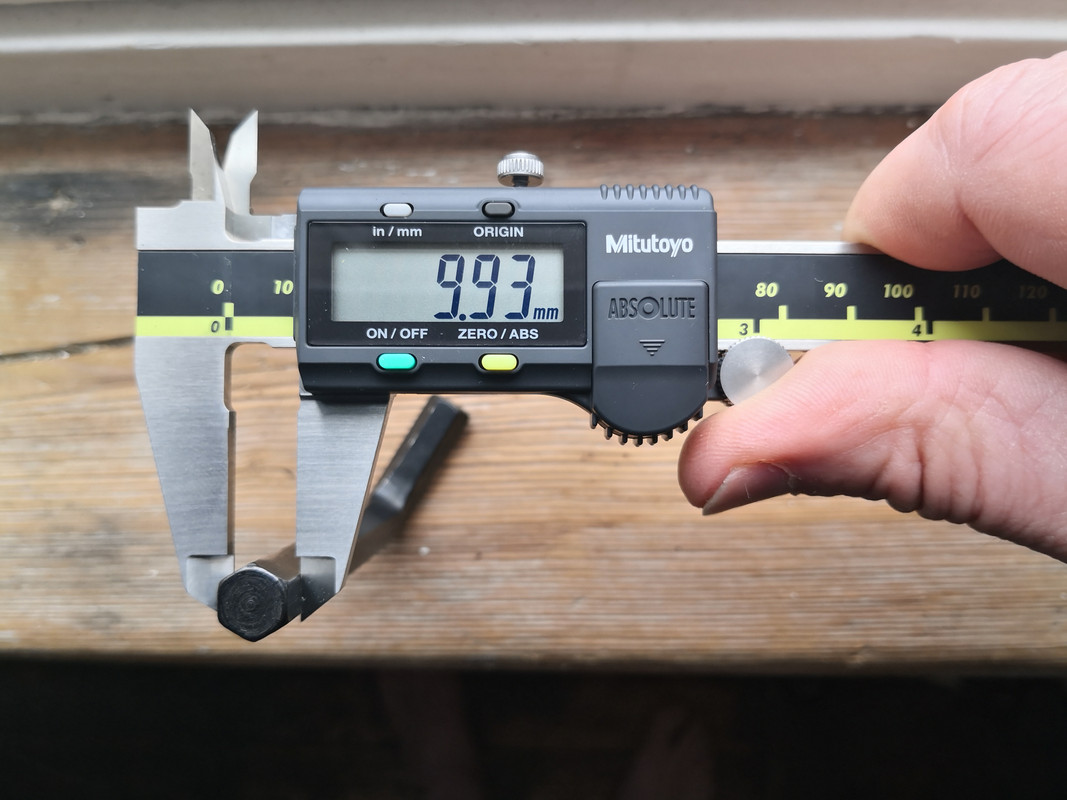
It’s also hard to be sure the jaws are measuring the narrowest (i.e. true) section of the Allen key when using the bladed tips.


 Works sorta like how a wobble extension operates.