Jess, the path to a final result, including the mistakes/redirections makes for a much more valuable post series than just the result

I say post away.
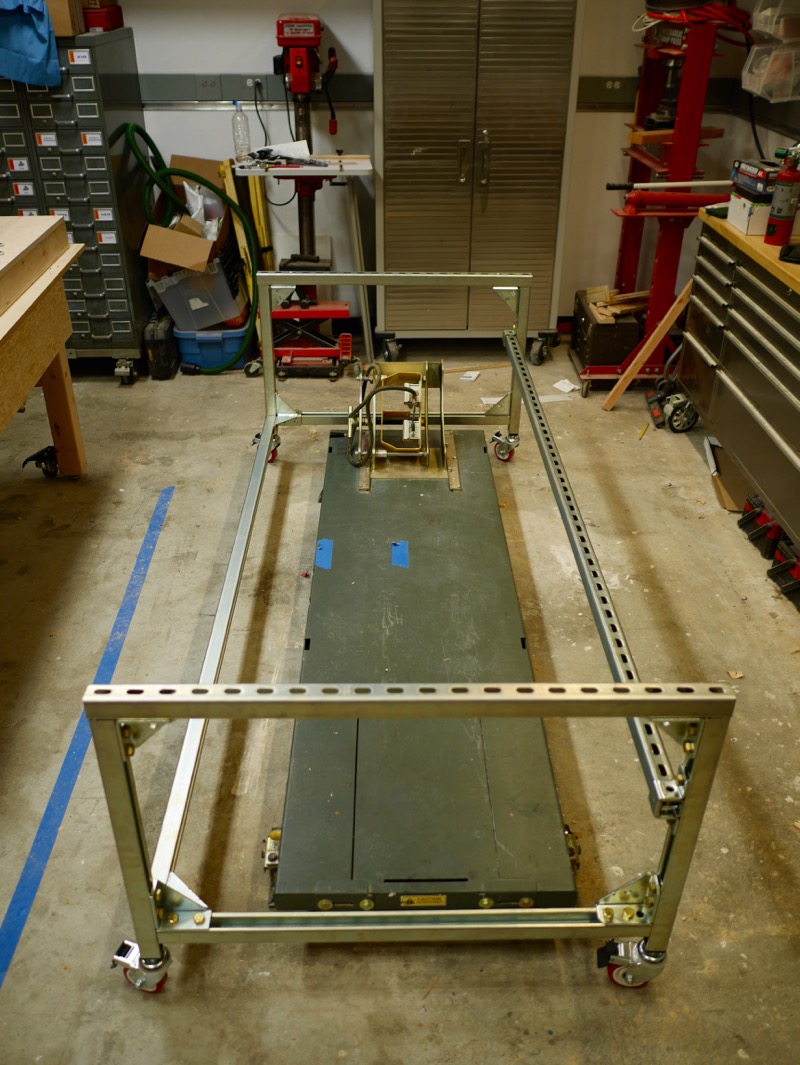
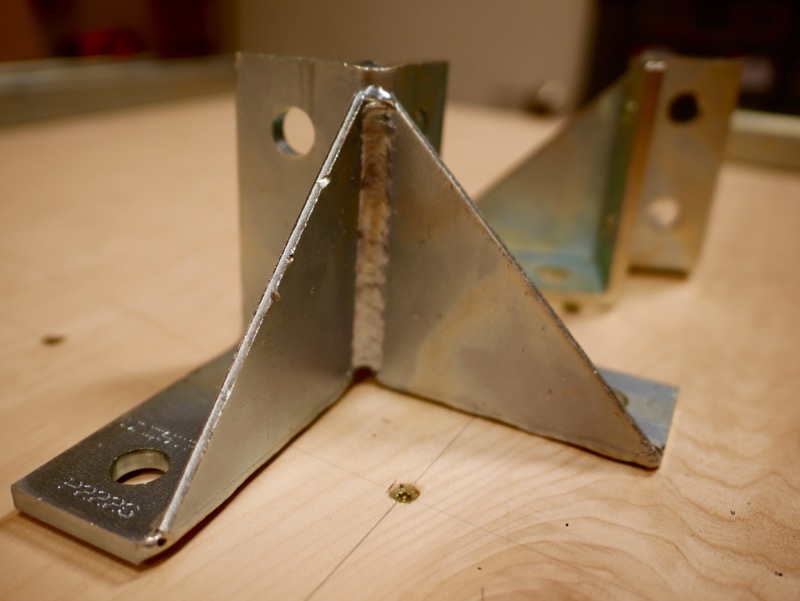
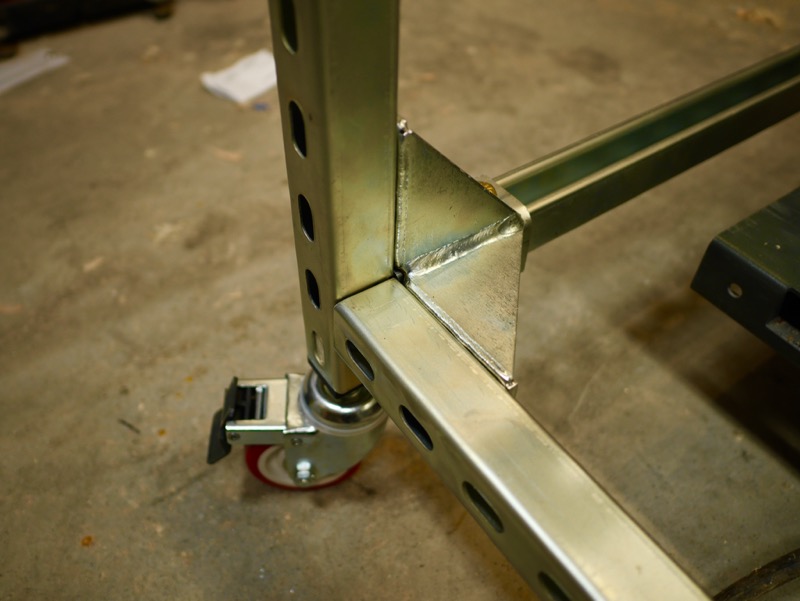
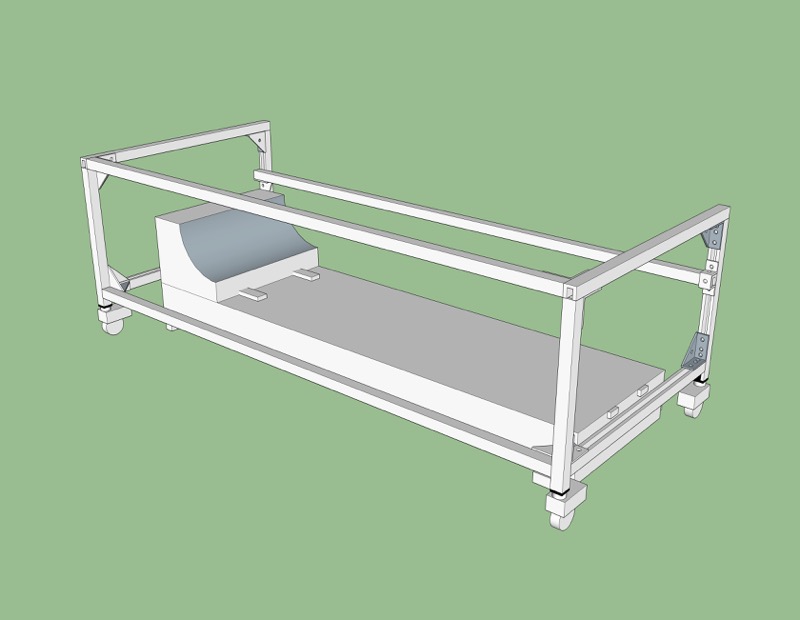
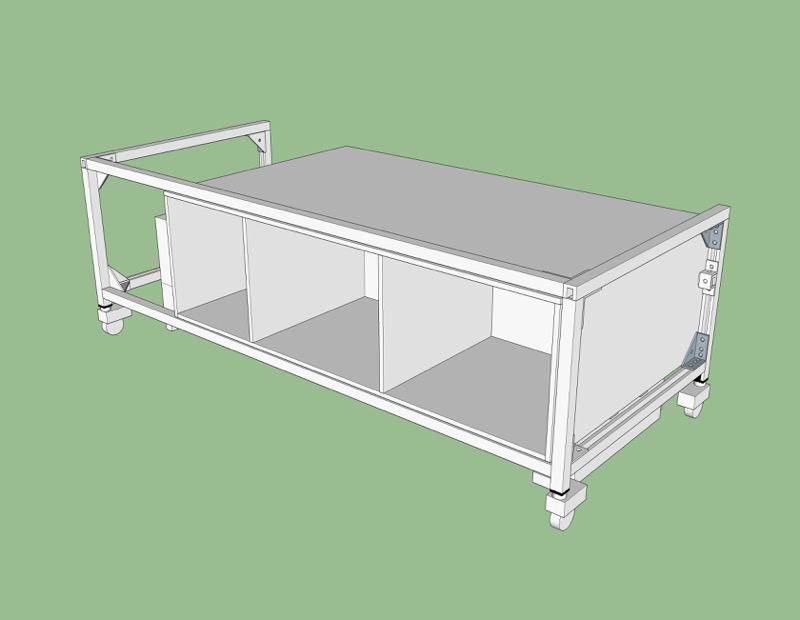
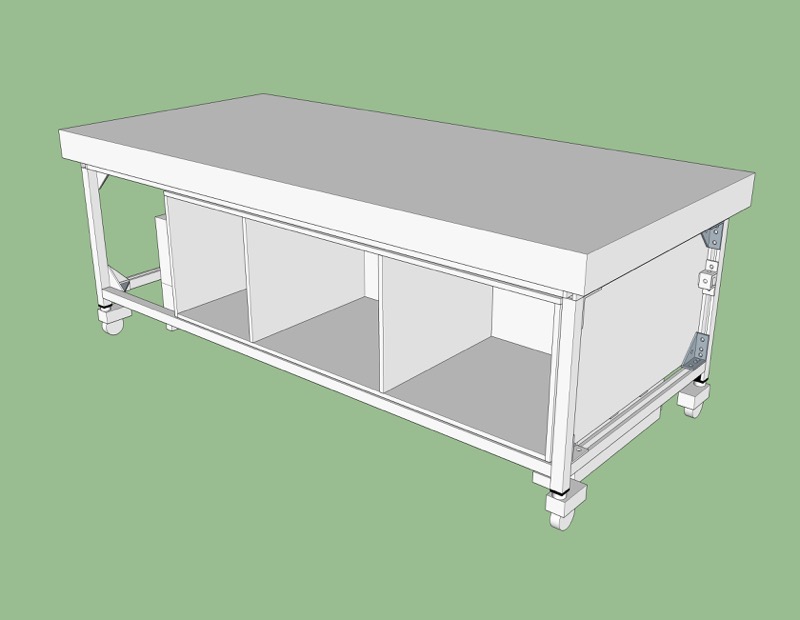
I would have thought so. That was why I posted it. Apparently, people got caught up on the fact that in my mkII design, I was using strut channel, and that contravened some unwritten law about Thou Shalt Use Welded Square Tube.
So here's another rambling brain dump: I work in an engineering field, and I like to say (and remind people, even) that engineering is the art of compromise. Scientists get to deal with absolutes, perfect precision, and frictionless environments. Engineering is about finding the compromises - usually between cost, time, and performance -- that scientists don't have to worry about in their theoretical world. Further, for every engineering decision, there is a choice to make about what we're optimizing for. Strength? Speed? Weight? Size? Cost? Manufacturability? Sometimes it's "all of the above", which usually isn't feasible. Again, compromise.
The kerfuffle over my workbench has gotten me thinking about my projects, and my shop, why I take the approaches that I do, and that continual decision-making process. Cost is sometimes one of the considerations, but I'm usually mortified by the suggestion that ROI plays a part in selecting materials and approaches in my shop. I'm not optimizing for ROI. I'm optimizing for convenience of use, or space (since I have a finite amount of it) or the opportunity for more storage, or a host of other nontraditional optimizing factors.
I've concluded, very recently, that the unstated factor that I optimize for the most is
interest. I am optimizing my projects by what
I am interested in learning or doing or seeing. There were many reasons that went into (for instance) the ceiling, but the most important one was probably that I thought it would be interesting, both to do and to have as a finished result. The LED lights are there because I was interested in pushing the boundaries of what was possible at the time. The ventilation system is there because I was interested in building it, and programming it. This is a hobby shop, after all. It's not a business. I don't have to answer to the boss. There are no customers, and no accountants, and no "bottom line" that has to be in the black.
So I will not apologize to anyone for doing something that cost too much, or isn't strong enough to meet their idealized notions of "enough", or defend my choices. I'm out here in this shop because
I am interested in being here, doing stuff
because I am interested in doing it. Nothing else is important.
Sorry for the rant. I think I'm a bit frustrated by the demands (mostly from asshats in that other thread) to defend my choice of strut channel vs. welded square tube.
I sourced the Leaf to "star" in a car shoot we did to launch one of our new products:
https://vimeo.com/96495769
I liked driving it so much, I asked Nissan to let me take it for a few days. We were just on the edge of leasing it..
I remember you telling me about the photo shoot, just didn't realize you got to keep the car for a few more days. Makes sense, and glad you liked it.
I've
heard the Leaf is a bit anemic in the power department, by electric car standards. I haven't driven one, so I don't really know, and you say it's got lots of torque, so I'll defer to someone who has actually driven one. I know the Fiat 500e is a kick in the pants, and they both have really similar HP ratings, so I suspect it comes down to how the gas pedal is mapped to the motor. The Fiat is pretty gentle off the line, but will really jump if you mash the pedal.
The Fiat 500e also has a bit of a torque-steer problem. If you really mash on the pedal and aren't going perfectly straight, the car will pull to one side from the torque. Again, this seems like it would be a flaw, but for some reason makes the car more entertaining to me. But then, I'm a Vespa guy, so I must
like Italian vehicles that
slap you in the face when you least expect it.
Hot.

 ) and I read all your topic..all I can say is: WOW