bczygan
Well-known member
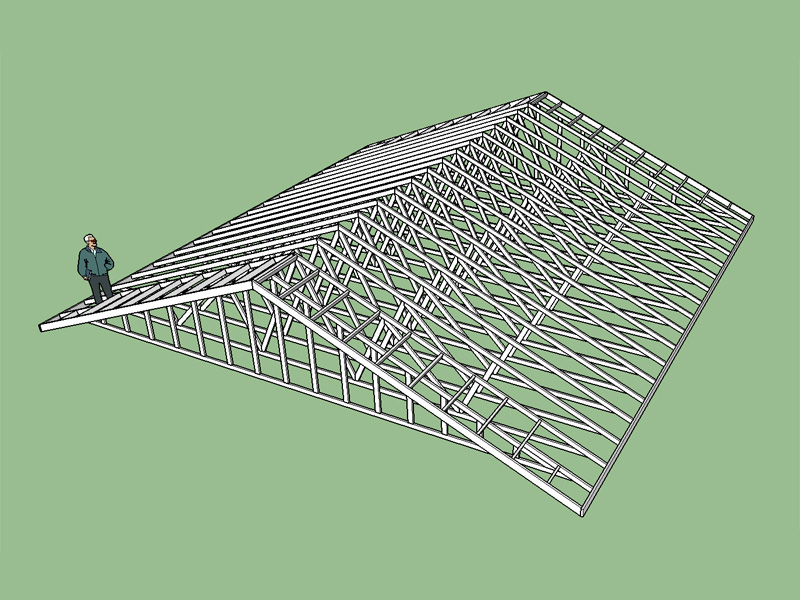
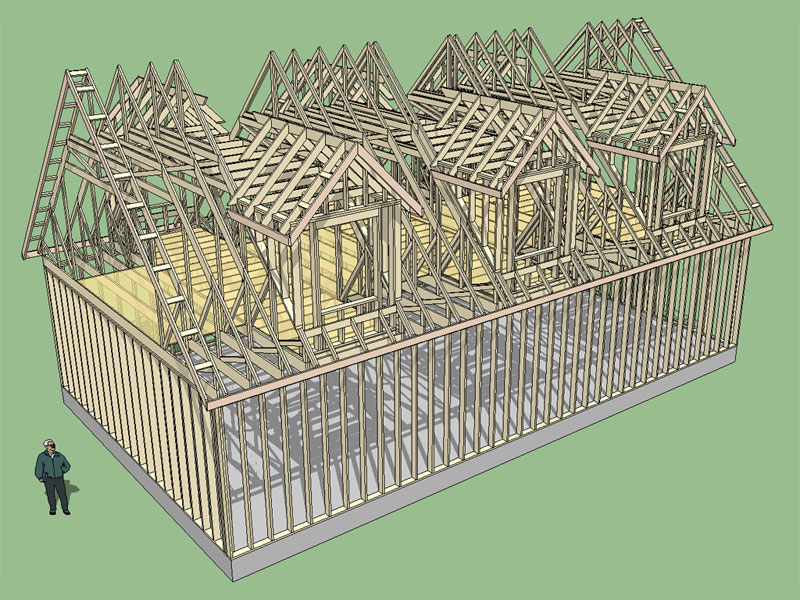
I work as a designer for a residential builder of homes ranging from 1,800 sq. ft. to 5,000+ sq. ft. Some of the roofs on the larger homes get quite complicated, but we figure them out before we send our plans out to the truss designers.
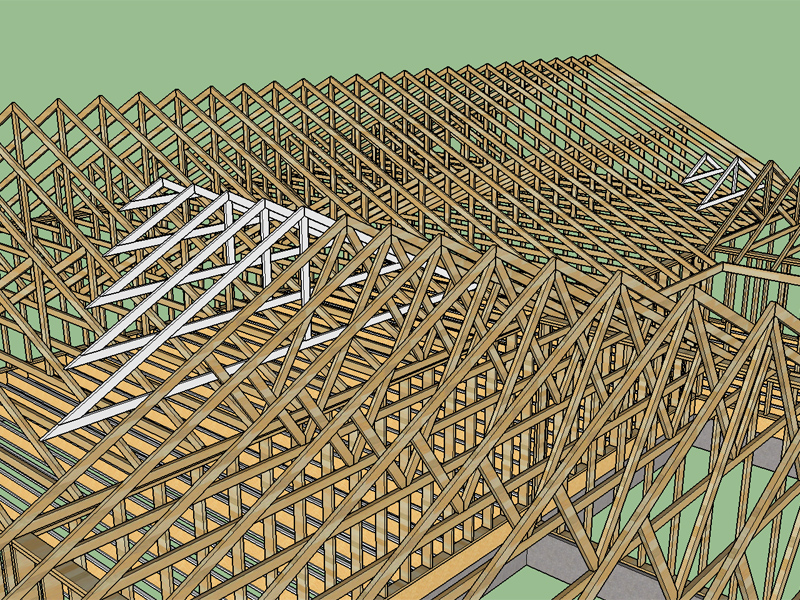
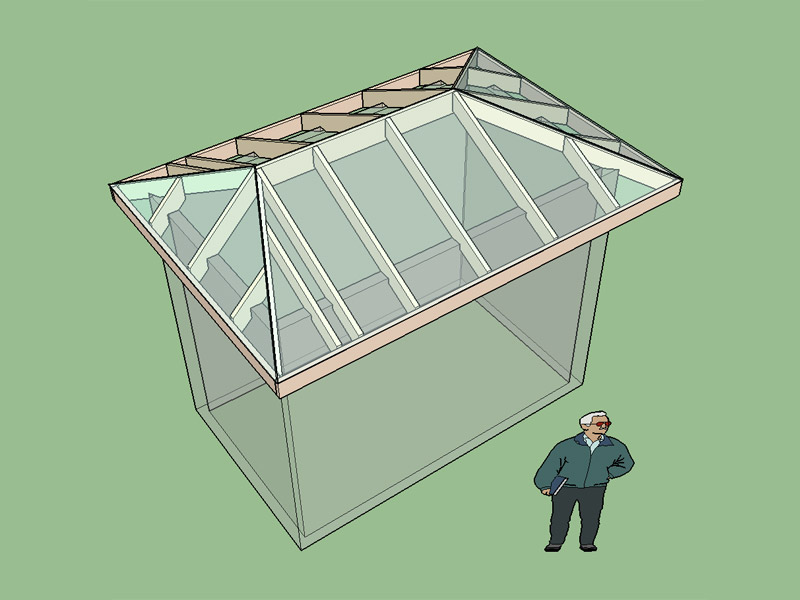
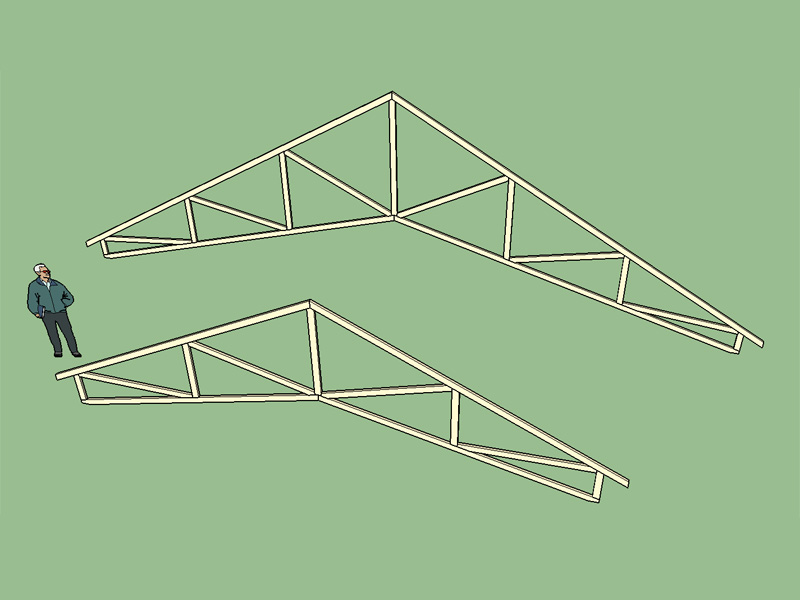
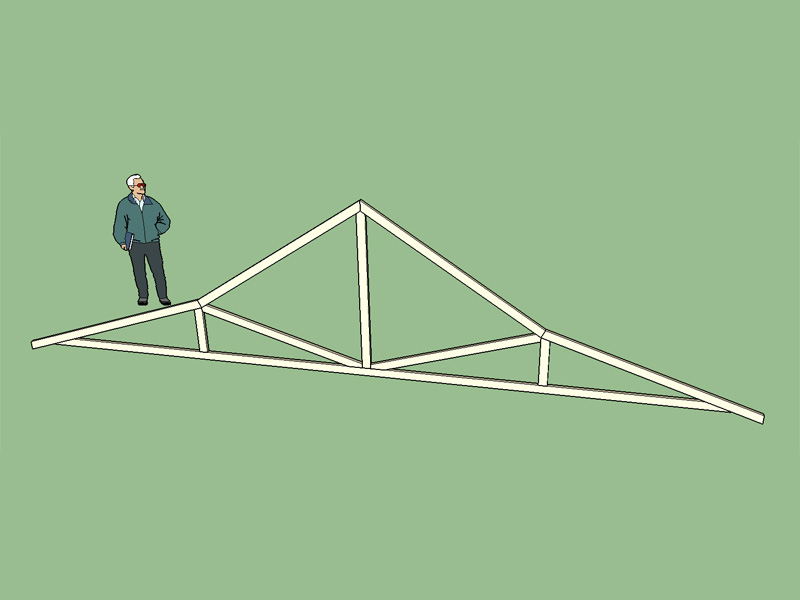
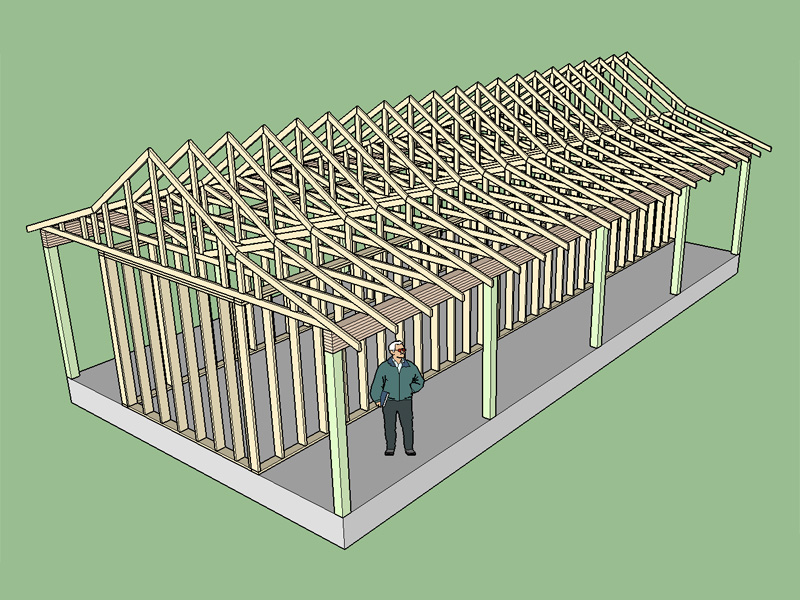
We specify pitch, overhang, and heel height. The drawings show whether or not a roof line is clipped back, at a different plate height, different truss heel, stepped up in the middle due to a ceiling treatment, etc. If attic trusses are used we specify the size of the bottom chord to handle the weight we anticipate the floor system/ bottom chord will need to support.
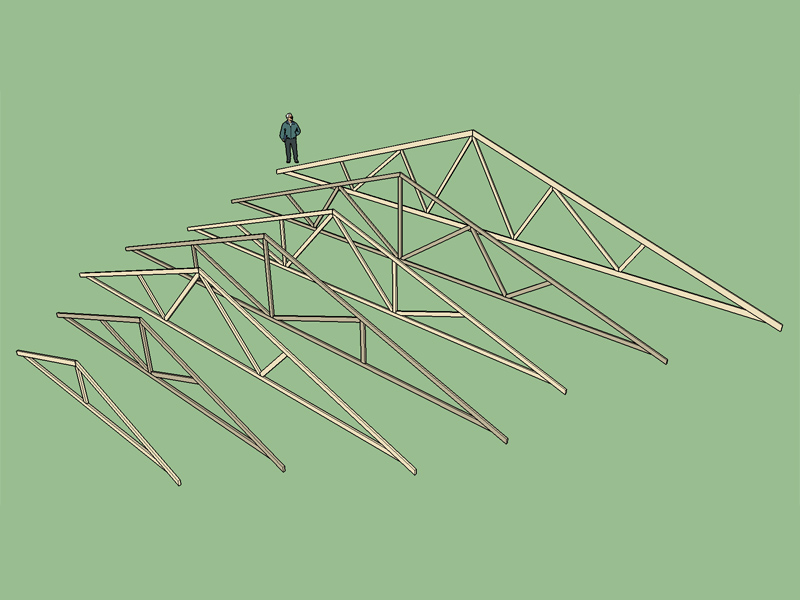
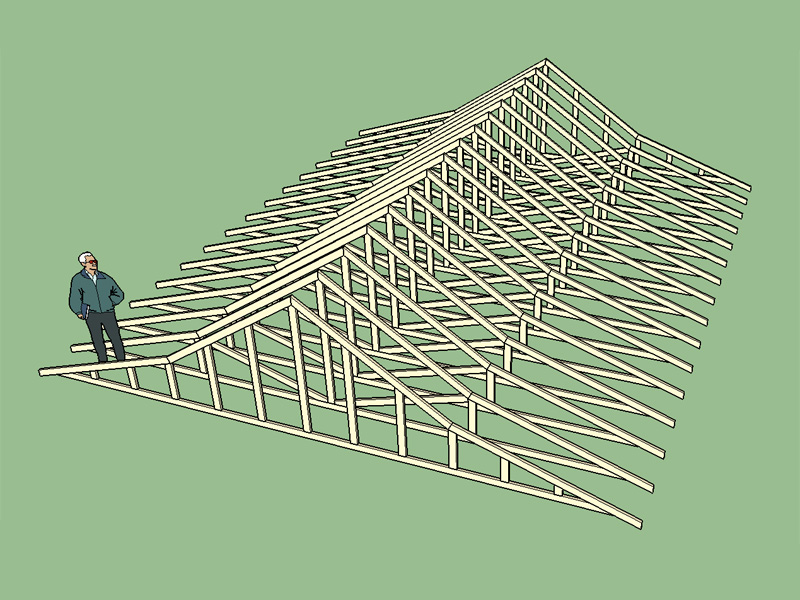
As long as the trusses are designed around these criteria we really don't care how they they are built, where they put the girder for the jacks on a hipped roof, etc. Once the trusses are designed we receive an overall layout and a drawing of each individual truss with all of its calculations to approve before they are built. We verify the pitch/overhang/heel/ceiling types and the span distance then trust that the calculations and webbing are correct. The liability for that part is on them.
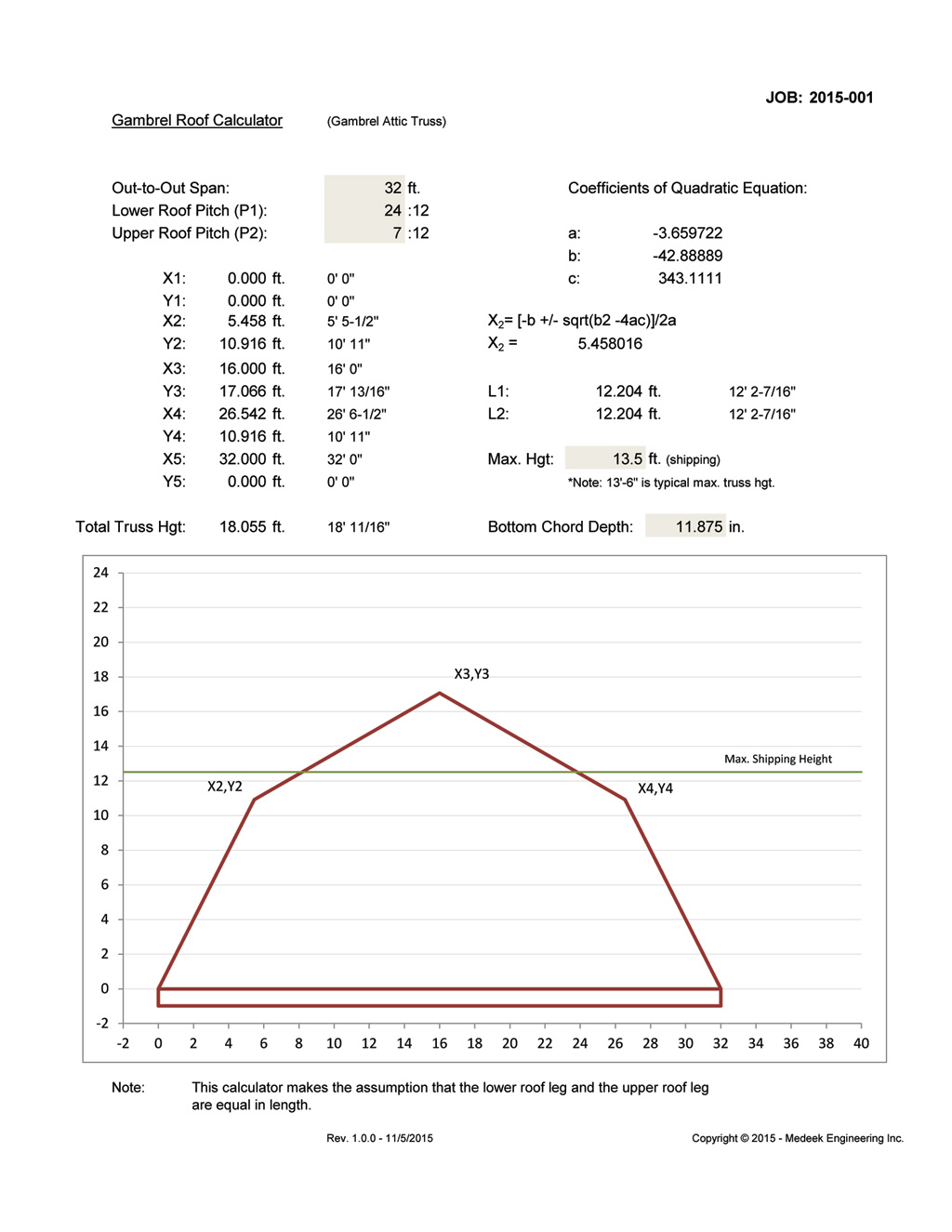
Personally, I don't see how a tool like this is valuable to a designer like me. The truss design and structural load calculations within the truss are things that we ever need to worry about. We design for 45 lb. per linear foot of truss when calculating headers and structural beams. This is more than enough to cover our bases.
Personally, I am so tired of overly complex ceiling and roof designs. Too many chances for leaks and expensive re-roofing, which with our cheap disposable shingle culture, happens far too frequently anyway.
So many 5000SF McMansions with just two people in them. They will be a drug on the market when the baby boom passes.
Bill