CRSINMICH
Well-known member
BMR: Here are some woodworking terms that you might already know but if not they'll be helpful in making decisions about which plane to buy.
GROOVE: You specified goooves when you asked about plough planes so I started here. A groove is a flat bottomed recess in a the face of a board that goes with the grain.
DADO: A dado is the same thing as a groove except that it goes across the grain.
RABBET (REBATE): Similar to the above but since it's located at one edge of the board it only has one shoulder.
There are many ways to cut each of these three but some ways are better (easier, safer, faster) than others for a given type of recess. You asked about cutting grooves. Those can be done with saws and chisels but it's far faster and easier to use a plow (plough) plane. A shoulder or rabbet plane would also work but you'd have to have a separate plane for each size of groove (or dado) you wanted to cut. (Not exactly but close enough).
Dadoes can be made in the same ways as grooves but extra care will have to be taken to prevent chipping and splitting because the cut is going across the grain. A plane with a spur (sometimes called a nicker) will make it easy to get a recess with crisp edges. If the joint is going to be seen in the finished piece this will be more important.
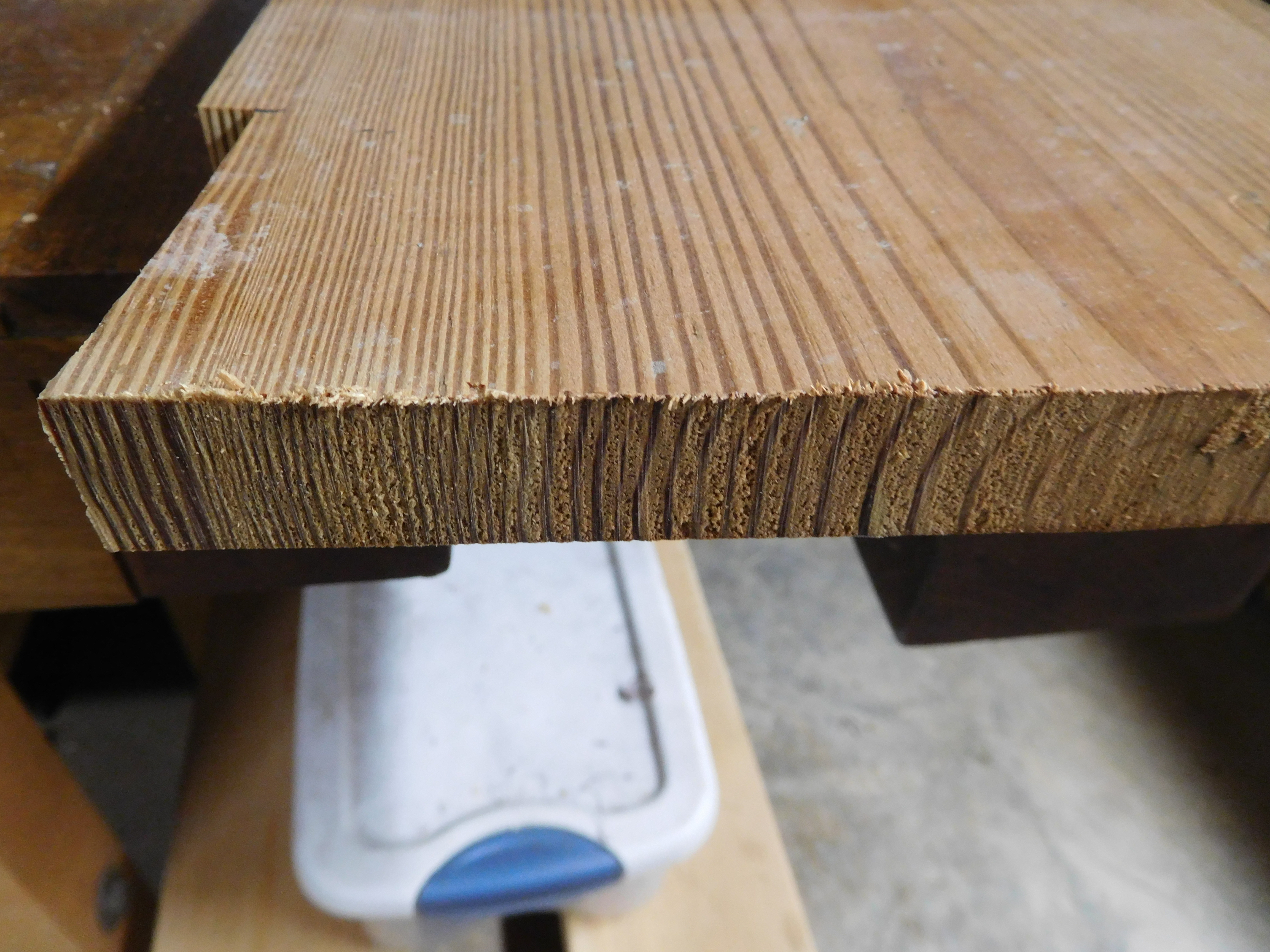
Rabbets can also be made with many of the same methods. If it is a cross-grain rabbet even more care will need to be taken to prevent chipping and splitting. This is where skew planes will shine. The cutting iron (blade) is not at 90 degrees to the width of the sole of the plane. It is skewed by a few degrees. That means that the blade slices through the wood fibers instead of pushing against them and it will produce a smoother cut.
I apologize if the terminology was too basic for you or if I was too windy. I used to be a teacher and I just can't help myself.
By the way, a router plane, when used with a saw and/or a chisel, will make all of these cuts and do many other things too.
AFTERTHOUGHT Last week I made rabbets on all four edges of a piece. I cut the rabbets on the long sides (with the grain) with a shoulder plane and a batten. On the short sides (against the grain) I sawed the shoulder lines to depth with a backsaw then split out the waste with a chisel. I then cleaned up and flattened the surfaces of all four rabbets with a router plane.
GROOVE: You specified goooves when you asked about plough planes so I started here. A groove is a flat bottomed recess in a the face of a board that goes with the grain.
DADO: A dado is the same thing as a groove except that it goes across the grain.
RABBET (REBATE): Similar to the above but since it's located at one edge of the board it only has one shoulder.
There are many ways to cut each of these three but some ways are better (easier, safer, faster) than others for a given type of recess. You asked about cutting grooves. Those can be done with saws and chisels but it's far faster and easier to use a plow (plough) plane. A shoulder or rabbet plane would also work but you'd have to have a separate plane for each size of groove (or dado) you wanted to cut. (Not exactly but close enough).
Dadoes can be made in the same ways as grooves but extra care will have to be taken to prevent chipping and splitting because the cut is going across the grain. A plane with a spur (sometimes called a nicker) will make it easy to get a recess with crisp edges. If the joint is going to be seen in the finished piece this will be more important.
Rabbets can also be made with many of the same methods. If it is a cross-grain rabbet even more care will need to be taken to prevent chipping and splitting. This is where skew planes will shine. The cutting iron (blade) is not at 90 degrees to the width of the sole of the plane. It is skewed by a few degrees. That means that the blade slices through the wood fibers instead of pushing against them and it will produce a smoother cut.
I apologize if the terminology was too basic for you or if I was too windy. I used to be a teacher and I just can't help myself.
By the way, a router plane, when used with a saw and/or a chisel, will make all of these cuts and do many other things too.
AFTERTHOUGHT Last week I made rabbets on all four edges of a piece. I cut the rabbets on the long sides (with the grain) with a shoulder plane and a batten. On the short sides (against the grain) I sawed the shoulder lines to depth with a backsaw then split out the waste with a chisel. I then cleaned up and flattened the surfaces of all four rabbets with a router plane.
Last edited: